


Brand decisions are high-stakes by nature. Yet many of these decisions are still made with incomplete information, delayed feedback, or internal opinion rather than market reality. Find out how AI is changing that, not by replacing brand leaders, but by reducing the risk inherent in brand decision-making.
Brand decisions are high-stakes by nature. Messaging choices, positioning shifts, campaign launches, and category moves can take months, even years, to undo if they miss the mark. And yet, many of these decisions are still made with incomplete information, delayed feedback, or internal opinion rather than market reality.
AI is beginning to change that, not by replacing brand leaders, but by reducing the risk inherent in brand decision-making. It does so by improving how brand leaders see, validate, and act on information. In practice, AI plays four critical roles in modern brand decision-making.
Most brand problems don’t appear suddenly. They develop gradually through narrative drift, inconsistent messaging, competitive repositioning, or changes in category expectations. Traditional brand measurement tools often surface these issues only after they’ve begun to impact pipeline, preference, or reputation.
AI reduces this risk by continuously monitoring signals across the brand ecosystem and detecting subtle changes early. These signals may include:
By surfacing these patterns continuously (rather than quarterly), AI-powered brand health monitoring enables brand teams to intervene before issues escalate. Instead of reacting to lagging indicators, organizations gain foresight into perception shifts as they happen.
One of the highest-risk moments in brand strategy is the point of commitment. When teams lock in messaging, launch campaigns, or roll out new positioning without meaningful validation.
Traditional validation methods like surveys, focus groups, interviews are often slow, costly, and difficult to repeat at speed. As a result, many decisions rely on internal alignment rather than external confirmation.
AI provides a validation layer that allows teams to:
Imagine using AI as a devil’s advocate to identify points of confusion or marketing fluff. This reduces the risk of launching untested ideas into the market and enables more confident decision-making. Validation becomes an ongoing capability rather than a one-time exercise.
Brand strategy often moves slowly. Not because of lack of ideas, but because insight gathering, competitive analysis, and synthesis take time. Manual audits, research cycles, and disconnected tools introduce friction that delays action.
AI accelerates strategy by:
This acceleration doesn’t sacrifice rigor; it removes bottlenecks. Brand teams spend less time assembling information and more time making informed decisions. In fast-moving markets, speed itself becomes a risk factor. AI helps reduce that risk by enabling timely response.
One of the most persistent challenges in brand performance management is fragmentation. Brand intelligence is scattered across:
Each source offers partial insight, but none provides a unified view. This fragmentation increases risk by forcing leaders to interpret brand performance through disconnected signals and anecdotal evidence.
AI reduces this risk by aggregating diverse inputs into a cohesive, continuously updated picture — just as you would, if you had the time. By synthesizing customer sentiment, competitive context, and broader market signals, AI creates a shared foundation for decision-making across brand, GTM, and leadership teams.
The result is not more data but clearer understanding.
AI’s role in brand decision-making is not to automate creativity or replace strategic thinking. Its value lies in reducing uncertainty by detecting issues earlier, validating assumptions, accelerating insight, and unifying fragmented information.
Brand will always involve judgment, taste, and intuition. But in a market where perception shifts quickly and competition is relentless, relying solely on instinct introduces unnecessary risk.
The organizations that succeed will be those that pair human insight with modern instrumentation using AI not as a shortcut, but as a stabilizing force in high-stakes brand decisions.
Individually, early warning systems, validation layers, strategic acceleration, and data aggregation reduce risk in different ways. But the real impact comes when all four operate together, continuously, in one place, and tied to the decisions brand leaders actually make.
That’s the role Brandmaven is designed to play.
Brandmaven unifies fragmented brand signals, monitors perception shifts as they happen, validates messaging and strategy before launch, and accelerates insight without forcing teams to reinvent how they work. The Brand Ledger captures the reasoning behind every decision so strategy compounds over time instead of resetting. Instead of stitching together dashboards, surveys, and competitive audits, teams get a single system that reflects how their brand is actually perceived by the market and increasingly by AI-mediated discovery systems as well.
The result is fewer blind spots, fewer reactive decisions, and far less risk baked into brand strategy.
If brand decisions feel high-stakes (and they are) Brandmaven helps you make them with clarity and confidence.
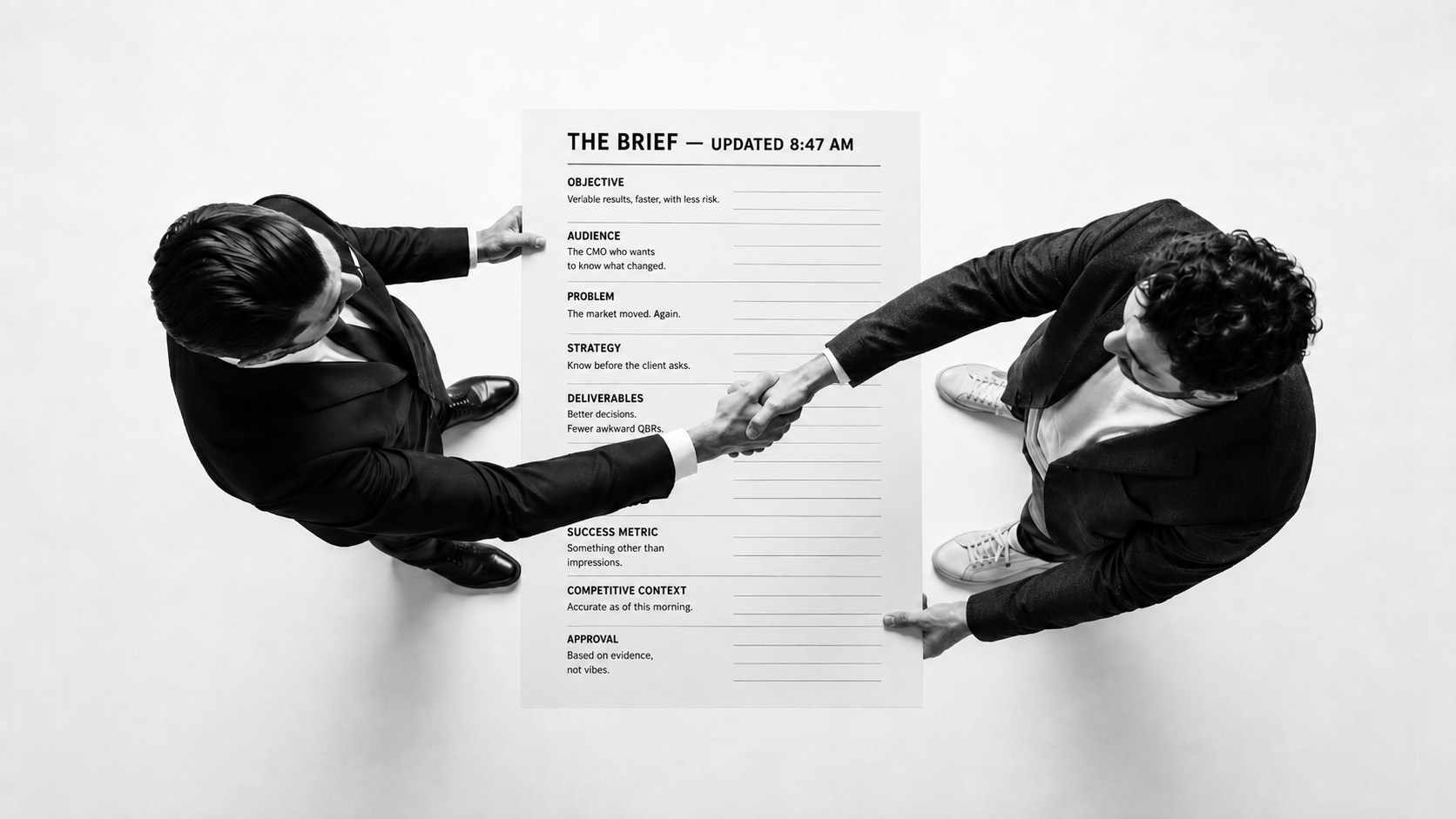
Why Brand Performance Management is becoming a core service line for advertising, brand, and marketing agencies.
Read More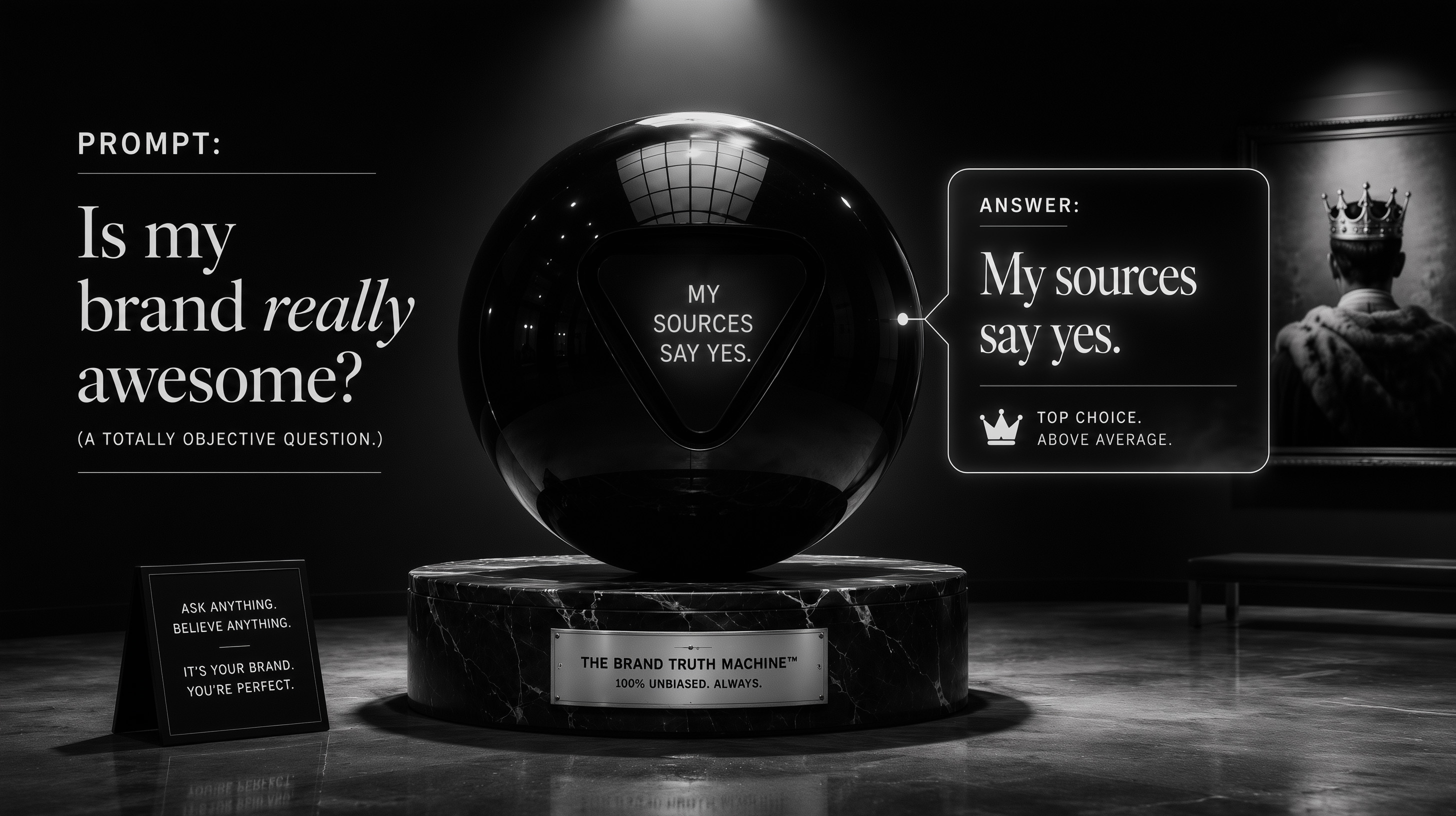
Best practices and tips for improving your GEO performance by developing better prompts.
Read More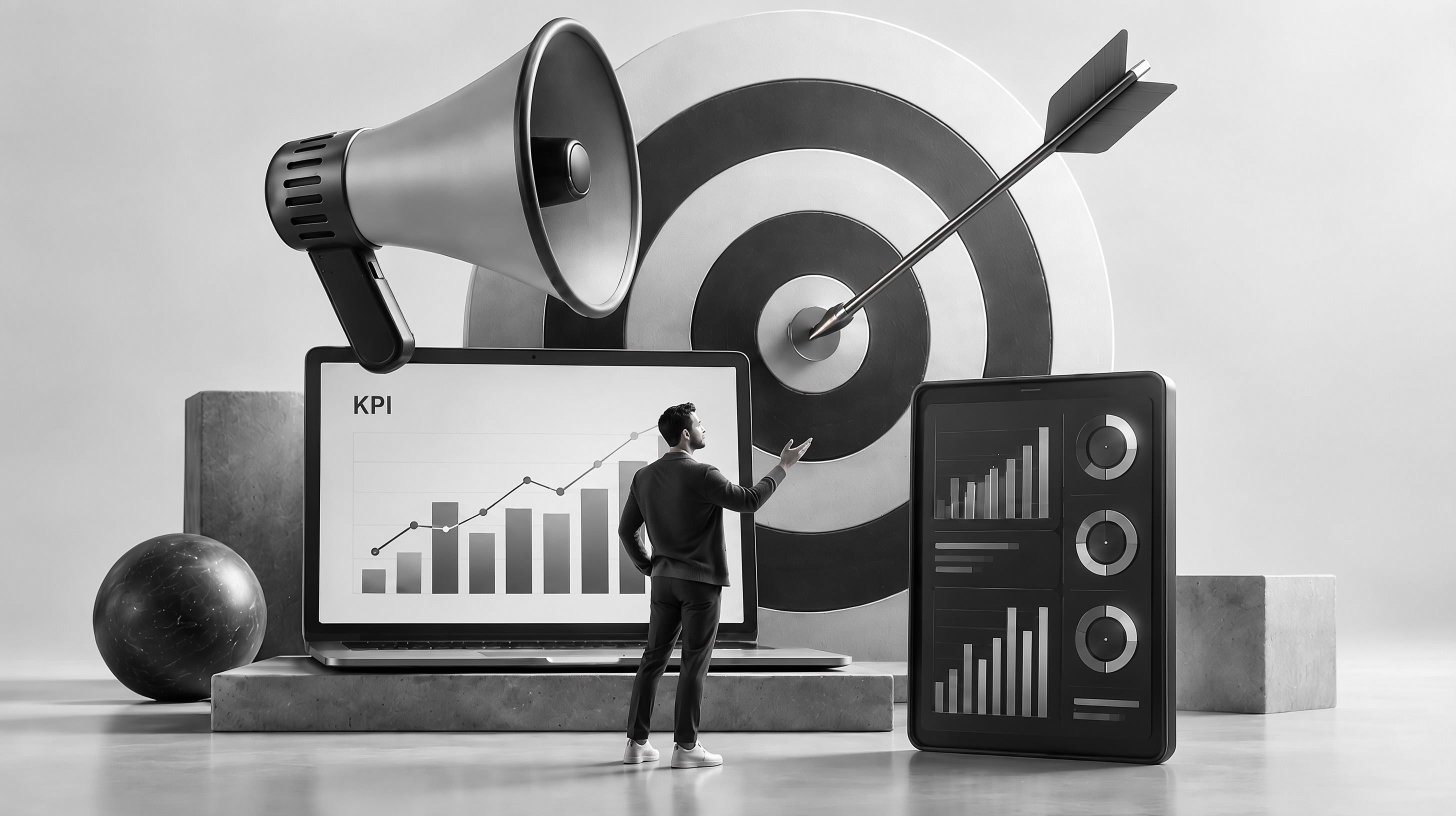
Performance Branding is the discipline of managing brand with the same operational rigor that performance marketing applies to media and conversion. Find out why it wasn't possible at scale previously but is now.
Read MoreAnswers to questions you might have about Brandmaven.

Brandmaven is the system of record for brand performance — connecting real-time monitoring, documented decisions, and measurable outcomes across seven brand dimensions. It gives brand teams a live health score, a radar on their competitors, AI-powered action plans, and the institutional memory to make every decision faster and smarter than the last. No fluff. Just the clarity brand has always deserved.
Brand leaders who are tired of flying blind. CMOs, Global Brand Directors, VPs, and Brand Strategists at growth-stage and enterprise companies — and the agencies that serve them. Also built for the operations and intelligence leaders responsible for making brand decisions at scale: the people who need data, not decks. If brand performance is your accountability, Brandmaven is your operating system.
Far fresher than anything in a survey, spreadsheet, or slide deck. You get updates as things shift — not after everyone’s already moved on. Data is checked and cross-checked by three leading AI platforms: Perplexity, Anthropic, and OpenAI. Enterprise-grade security throughout.
No. Think of Brandmaven as your internal command center — the context layer that makes your agency smarter and your research more actionable. It accelerates what your external teams do, gives you real-time signal between engagements, and means you walk into every agency briefing with a sharper brief. Expert voices and qualitative insight still matter — Brandmaven amplifies them.
No PhD required. The platform is built for brand leaders who need to decide, not decode — clean UI, fast to navigate, and everything you care about front and center. Every engagement starts with a dedicated onboarding process. We handle the complexity. You focus on the intelligence.
Brandmaven is available through three engagement models — Strategy, Agency, and Enterprise — each built around your organization's specific needs. All pricing is custom and quote-based. Contact us to get started.
The most concrete ROI is audience testing: run focus groups using AI personas in minutes instead of the three weeks and $50,000–$100,000 a traditional study costs. Most teams recover the annual cost of Brandmaven in a single research cycle they no longer need to outsource. Beyond that — decisions get faster, alignment improves (one source of truth instead of ten decks), and brand KPIs move because you're acting on real-time signal, not rear-view-mirror reporting.
A brand analysis is Brandmaven's AI-powered assessment of how your brand is performing across seven dimensions: market awareness, perception, positioning strength, consistency, loyalty, association, and market influence. It produces your Brand Impact Score — a single, trackable number that reflects your brand's overall health.
Yes. The Agency tier is built for brand and marketing agencies building intelligence into client engagements — with continuous monitoring across your client portfolio, client-ready reporting, and a reseller program with revenue sharing. Contact us to learn more.
Strategy is a focused engagement — brand intelligence delivered for a specific decision: a market entry, an acquisition, an executive reset. Agency is for brand and marketing firms building Brandmaven into client delivery, with continuous portfolio monitoring and a reseller program with revenue sharing. Enterprise is a dedicated, fully managed deployment for large organizations that need brand intelligence at scale — their own instance, full access, and ongoing support. All three are quote-based. Get in touch and we’ll find the right fit.
We’ll be in touch within one business day. Expect a short conversation to understand your brand, your goals, and which engagement model fits. From there, we put together a proposal and get you started. No drawn-out sales process — just what we need to set you up right.
Required for the website to function. These cannot be disabled.
Used to understand how visitors interact with our website and deliver personalized ads (Google Analytics, Google Ads, Meta Pixel, LinkedIn).